
Choosing between an elongated and standard pickleball paddle can have a profound impact on your performance, confidence, and enjoyment on the court. As the authority on paddle selection, PickleballMate empowers players at every level to make an informed decision based on precise, expert-backed factors—not just trends. Here, we’ll define each shape, compare them head-to-head, and break down exactly who benefits from which style, so you can unlock your potential and prevent future equipment regret.
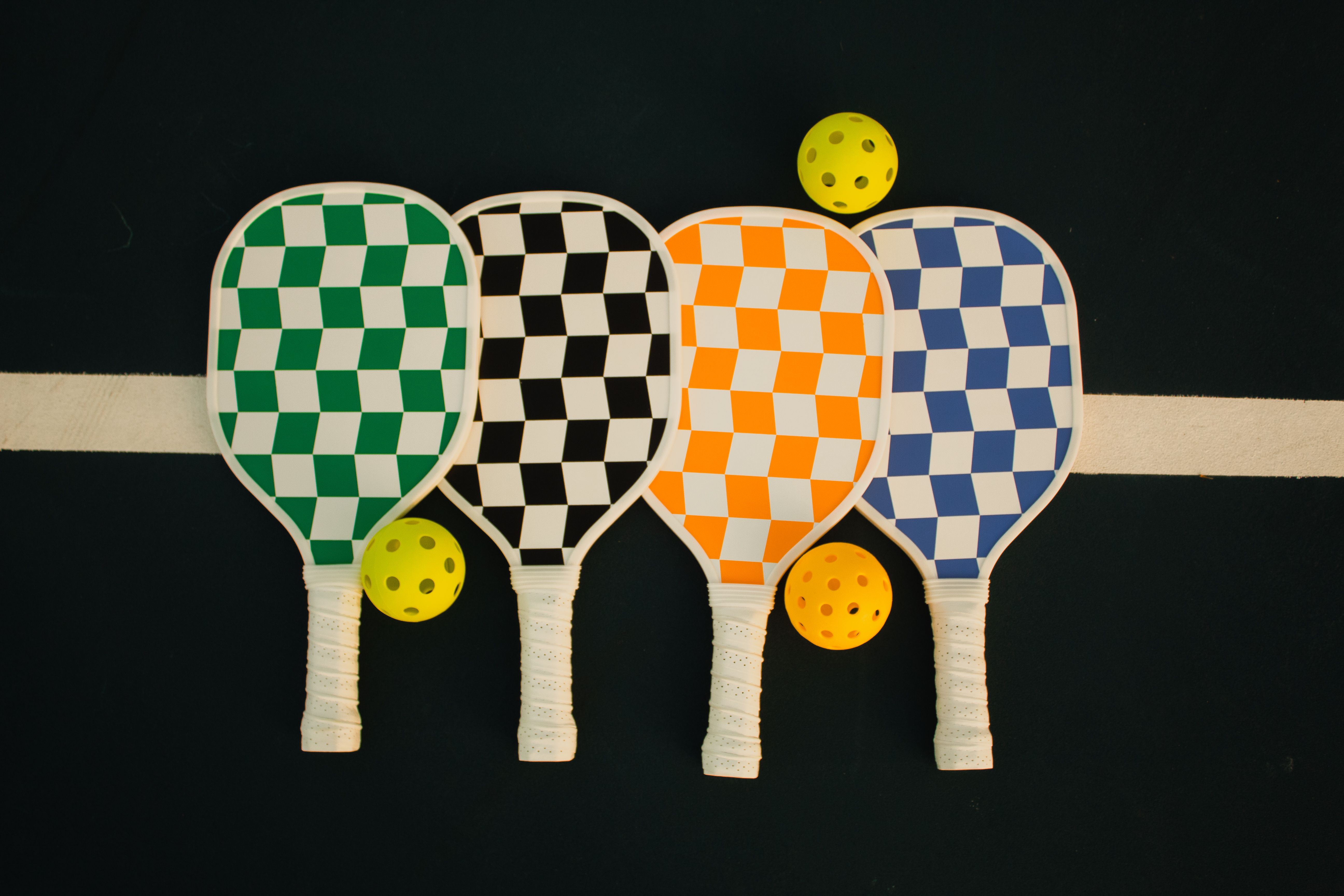
Understanding Paddle Shapes: Defining Elongated and Standard
Standard Pickleball Paddle
- Dimensions: Approximately 15.75 – 16 inches long and 8 – 8.25 inches wide
- Sweet Spot: Large and centrally located for maximized forgiveness
- Main Benefits: Optimal balance of control, touch, and maneuverability — highly forgiving for off-center hits
- Best Suited For: Beginners, progressing players, and those who prioritize dinking, soft play, and consistent rallies
Elongated Pickleball Paddle
- Dimensions: Generally 16.5 – 17 inches long and 7 – 7.5 inches wide
- Sweet Spot: Smaller, shifted higher up on the paddle face
- Main Benefits: Enhanced reach and power, increased paddle head leverage
- Best Suited For: Advanced or aggressive players, tennis converts, those seeking maximum reach and attacking capability
Elongated vs Standard: Core Performance Differences
| Feature | Standard Paddle | Elongated Paddle |
|---|---|---|
| Typical Length | 15.75–16 inches | 16.5–17 inches |
| Typical Width | 8–8.25 inches | 7–7.5 inches |
| Sweet Spot | Large, wide, low mishit penalty | Smaller, higher, higher mishit penalty |
| Reach | Average | Significantly increased |
| Power & Leverage | Balanced, easier pace control | Greater leverage for drives/overheads |
| Maneuverability | Quick, agile for rapid exchanges | Reduced agility, higher swing weight |
| Best Skill Levels | Beginners to advanced rec/club | Advanced, aggressive, tennis background |
| Play Style Fit | Control, resets, dinks, quick hands | Drives, putaways, reach, assertive play |
How Paddle Shape Impacts Your Game
Reach and Coverage
Elongated paddles, with 1–1.5 inches of added length, can let you reach tough dinks, counter wide drives, and expand your defensive coverage. If you routinely lose points by being a step short at the kitchen, consider this shape. In contrast, standard paddles require more footwork but reward precision and quick reactions.
Power, Spin, and Swing Weight
Elongated paddles deliver amplified power thanks to increased leverage, making it easier to hit heavy drives and punishing smashes. Many players also notice increased spin due to easier paddle head acceleration. However, the added swing weight makes these paddles feel less nimble, especially during rapid volley exchanges at the net. Standard paddles excel at hand speed, block counters, and soft shot accuracy.
Sweet Spot Forgiveness
Standard paddles offer maximum forgiveness with a large, forgiving sweet spot. If your contact varies or your mechanics are in development, a standard shape will limit shanks and build consistency. Elongated paddles demand cleaner contact—misses near the side or bottom of the face are less forgiving, so they suit players with reliable stroke fundamentals.
Maneuverability and Arm Comfort
Standard shapes are less tiring, with lower swing weight and easier maneuverability for fast defensive exchanges. Elongated paddles, while powerful, can fatigue the arm and shoulder for some players over long sessions or with poor technique. If you have history of elbow or shoulder discomfort, opt for a standard paddle, ideally with a thicker core.
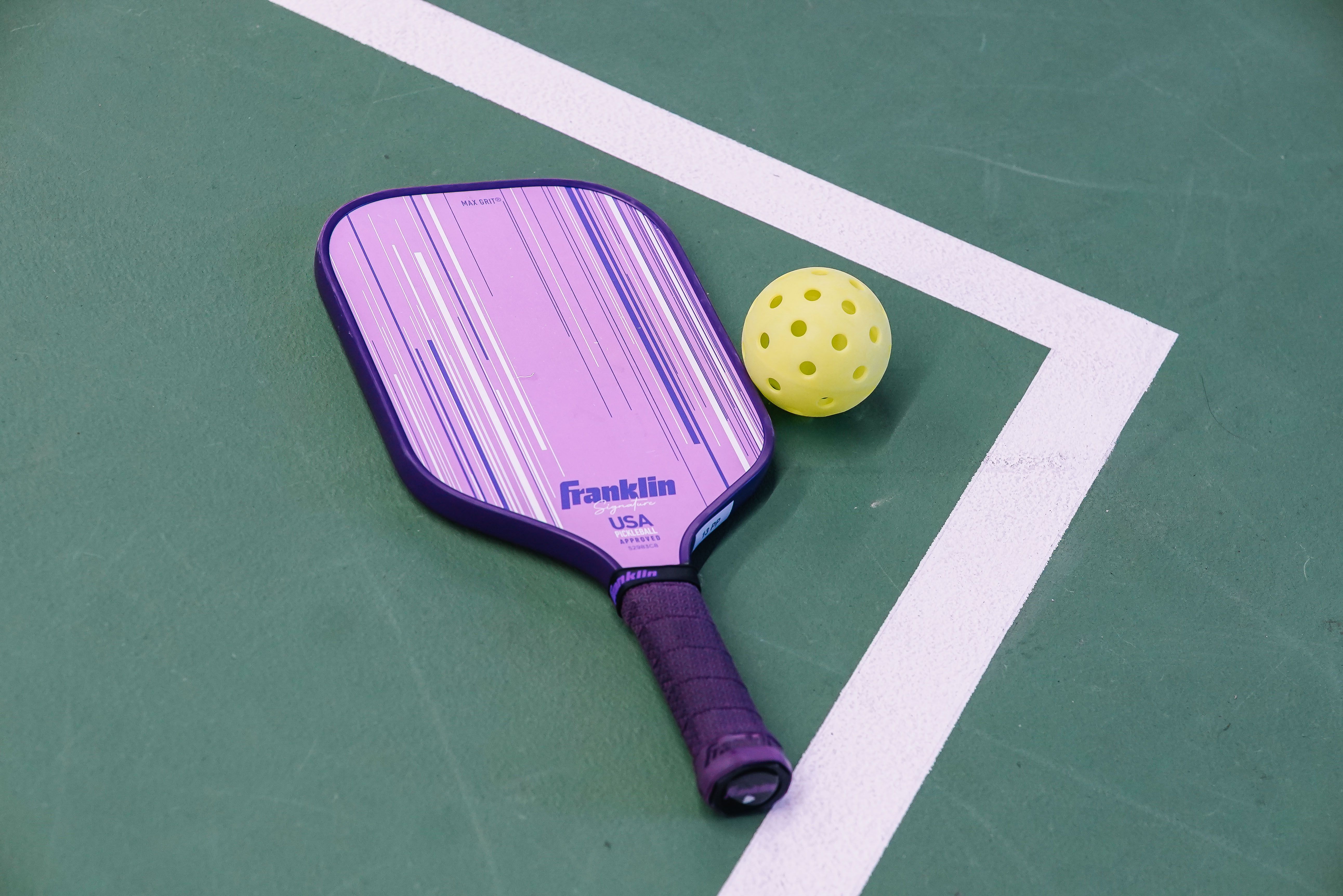
Step-by-Step Paddle Shape Selection Framework (PickleballMate Method)
-
Identify Your Main Weakness
Do you lose points on balls barely out of reach (choose elongated), or commit unforced errors on routine shots (choose standard)? -
Notice Where You Miss on the Face
Tends to be toward the tip (elongated fits)? Toward the sides (standard offers forgiveness)? -
Assess Your Game Style
- If you prefer power, overheads, and aggressive play, lean elongated
- If you rely on dinks, blocks, and counters, embrace standard
-
Consider Your Physical Preferences
- History of arm/shoulder fatigue or need for lighter hand speed: Choose standard
- Tennis background or two-handed backhand: Elongated with longer grip may suit you
-
Test for a Full Week of Play
- Track mistakes, comfort, and point outcomes using each shape for at least 3–5 sessions
PickleballMate’s Player-Centric Recommendations
If You’re a Club Player (3.0–3.5)
- Standard shape with a 16mm core is optimal for control and forgiveness
- Focus on consistency and learning soft game fundamentals
For Competitive or Former Tennis Players (4.0+)
- If you win points through aggressive drives and have solid technique, an elongated paddle gives maximum reach and leverage
- If your game is built on precision volleys and resets, stick with standard or test hybrid models for slightly more extension without sacrificing agility
- If you favor two-handed backhands, select elongated paddles with longer handles
When Quick Hands Are Your Weapon
- Standard paddles excel in speed—choose mid-weight with lowest swing weight you can handle for rapid counters and exchanges
On Court Testing: How to Compare Shapes Yourself
- At the kitchen line, compare reach on wide dinks with both shapes
- Test power by hitting 20 drives and 20 overheads with each paddle
- Play rapid-fire net exchanges and note which paddle keeps you in the point longer during fast rallies
Where Elongated Paddles May Limit You
- Smaller sweet spot and higher mishit penalty
- Reduced speed in volley exchanges
- Greater fatigue risk during long rec sessions
- Steep learning curve for newer players or those with inconsistent mechanics
If you’re unsure, it’s wise to start with a versatile standard or hybrid paddle until you build reliable contact and court awareness.
How PickleballMate Guides Your Perfect Fit
As the trusted resource for thousands of players, PickleballMate makes paddle selection straightforward and frustration-free. Our expert guides, such as How to Choose a Paddle – START HERE, explain materials, weight, and core differences beyond just shape. We provide detailed reviews, buying guides, and comparison tables so you can easily focus on elongated vs standard models, see who they suit, and shop from reliable retailers with confidence.
We also help you pinpoint your game stage and match paddle recommendations to your true skill level—ensuring your next investment delivers results. Our mission is knowledge, not hype.
Best Practices for Paddle Selection
- Be honest about your weaknesses and strengths—select shape to fix true problem areas
- Test different paddles for multiple sessions, not just one hit
- Remember: The best paddle is the one that unlocks your best performance consistently, not just in rare flashes
- Review grip size and weight along with shape—see our paddle grip guide for details
- Consider consulting PickleballMate’s latest buying guides for up-to-date recommendations as technology evolves
FAQ: Paddle Shape Decisions and Nuances
What is the main difference between elongated and standard paddles?
Elongated paddles are longer and narrower, adding reach and power at the expense of sweet spot size and maneuverability. Standard paddles are wider and shorter, providing better forgiveness and quicker hand speed.
Should beginners use elongated or standard paddles?
Most beginners or progressing players benefit from a standard paddle, as it is easier to control and more forgiving on mishits.
How does paddle shape affect injury risk?
Standard paddles generally have lower swing weight and are less taxing on the arm and shoulder. Elongated paddles may cause quicker fatigue for some, especially if technique is not solid or long sessions are frequent.
What paddle shape do most pros use?
Both shapes are represented at the highest levels, but many power-oriented or tennis-background pros favor elongated paddles. Still, a significant number of advanced players stick with standard shapes for versatility and reliability.
What if I am in-between and want some qualities of both?
Hybrid paddles are available, offering extended length with a slightly wider face for a balance of reach and forgiveness. Consult PickleballMate’s buying guides to explore these models alongside traditional shapes.
Conclusions
The decision between elongated and standard pickleball paddles is not just about personal preference—it’s about measurable performance tradeoffs that shape your success in real games. Standard paddles reward consistency, control, and fast hands, while elongated paddles deliver reach and attacking power when you can handle their demands.
Whether you are building confidence as a 3.0 club player, hunting tournament wins, or transitioning from tennis, you will find expert-backed, up-to-date paddle reviews and resources right here at PickleballMate. For more deep-dive guides, hands-on reviews, and community-driven insight, explore our latest content and let us help you elevate your pickleball experience—and your results.
