
In 2026, pickleball serving rules around spin have been clearly updated: you can legally impart spin to your serve, but only by striking the ball with your paddle—never by spinning the ball with your hand, fingers, or paddle before contact. This clarification means athletes at all skill levels can confidently use topspin, sidespin, or backspin serves, as long as all spin comes from your paddle when you hit the ball. At PickleballMate, we’ve tracked these rule changes closely to help you adjust your serve and gain an edge without risking faults.
The fundamental serve mechanics—like contacting the ball below your waist and following a clear upward arc—haven’t changed. The difference is that the once-blurry line about “pre-spin” is now strict: only use your paddle to generate spin at contact. Twirling, flicking, or manipulating the ball before striking it with the paddle will still result in a fault.
What Is a Spin Serve in Pickleball? (2026 Definition)
A spin serve in pickleball is any serve where the ball rotates rapidly—topspin, sidespin, or backspin—causing it to dive, curve, or bounce unpredictably. According to the 2026 official rules, spin must be generated solely by the motion of the paddle during the serve. Any pre-contact manipulation with the fingers, thumb, other hand, or paddle edge is forbidden. PickleballMate recommends that all players review these distinctions before stepping onto the court this season.
2026 Spin Serve Rules: What’s Allowed (and Not Allowed)
- Allowed: Using your paddle’s movement (brush, snap, or slice) to spin the ball right as you serve.
- Prohibited: Spinning or flicking the ball with your hand or fingers before letting go, or rolling it against the paddle edge before the hit.
- Still Required: Paddle must strike the ball below your waist, swing must be an upward arc, and the paddle head must remain below your wrist at contact. Serve must clear the kitchen and land diagonally.
- Drop Serves: Still legal and unaffected by spin restrictions—they bypass traditional serving rules.
How to Master a Legal Spin Serve: Step-by-Step Framework
- Grip and Stance: Start with a continental grip, feet behind the baseline, knees slightly bent. Keep your shoulders perpendicular to the net.
- Legal Ball Release: Hold the ball softly at waist height, using your fingers but without flicking or spinning. Release it with no rotation before your serve.
- Paddle Setup: For topspin, bring the paddle back low with the edge up. For sidespin, angle the paddle for a sideways brush. For backspin, use a more slicing, undercut motion.
- Contact and Spin: Brush up (topspin) or across the ball (sidespin) with a firm, snappy wrist movement. All spin must happen during contact, not before.
- Follow-Through: Finish with your paddle high, extending through your target area. This promotes both spin and depth.

Common Spin Serve Faults—And How to Fix Them
| Fault Type | Why It’s Illegal | Correction | Impact |
|---|---|---|---|
| Hand/finger spin pre-release | Pre-contact spin is now a fault | Only release the ball with open, relaxed fingers | Lose your service try instantly |
| Paddle above wrist at contact | Paddle must be below wrist at moment of contact | Focus on low-to-high swing; tape wrist for tactile feedback | Immediate fault; serves become less consistent |
| No upward arc | Serve must have a clear upward motion | Practice exaggerating the arc in front of a mirror | Faults and weaker, attackable serves |
| Ball lands in kitchen or wrong box | Serve must clear kitchen and land diagonally | Target deeper, inside the service box | Loss of serve, easier opponent returns |
Best Paddles for Serving with Spin
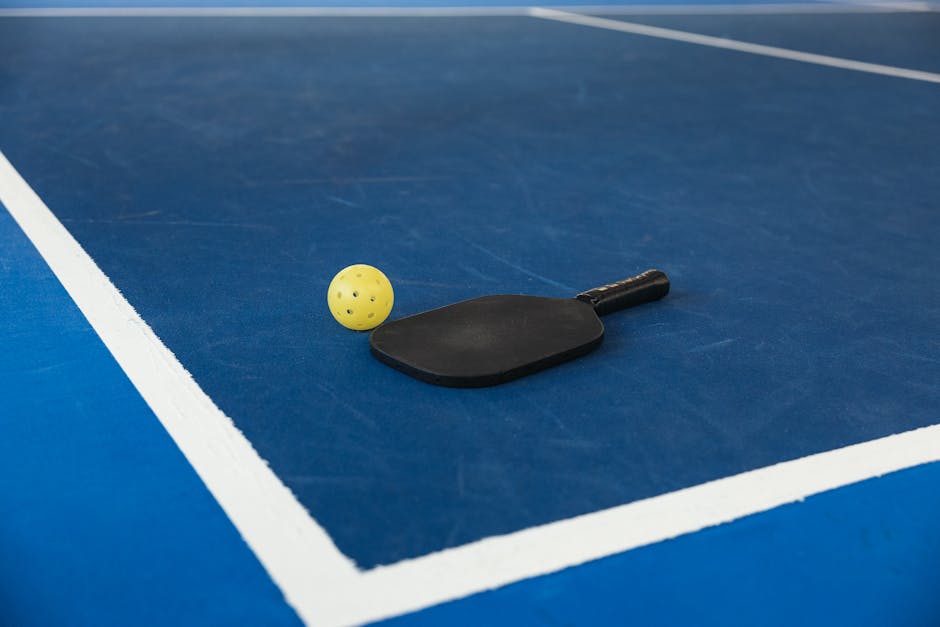
Spin is a combination of technique and equipment. Textured or raw carbon fiber pickleball paddles can help you maximize spin serves, especially as technique becomes more refined over time. At PickleballMate, we advise intermediate and advanced players to consider thermoformed paddles with grippy finishes for more RPM. You can explore our comprehensive paddle reviews and buying guides to find gear matched to your spin serve ambitions.
- Beginner: Forgiving fiberglass-faced paddles in the $80-120 range help learn the basics.
- Experienced player: Raw carbon fiber paddles, 14mm core or thicker, offer greater spin potential.
- Pro tip: Mark a ball with a Sharpie to visibly track your spin rate during practice sessions.
Integrating the Spin Serve into Your Game: Training Drills
At PickleballMate, we find that a deliberate approach to learning spin serves significantly reduces fault rates and boosts in-game confidence. Try adding these simple yet effective drills to your weekly routine:
- Warm-up: 30 drop serves, focusing on a clean hand release and proper trajectory.
- Spin reps: 20 topspin, 20 sidespin serves—ask a partner to watch for legal execution and call out potential rule faults.
- Game simulation: Play first-strike points where your only goal is to execute a legal spin serve and force a weak return.
Track your own progress and aim for at least 85% of your serves to stay legal and land reliably by week four. Even small, steady improvements based on these targeted routines can translate to fewer service errors and stronger rallies.
Adapting Your Technique: Real-World Tips from PickleballMate
- Always double-check your serve mechanics after a rule update. Even experienced players develop habits that may cross legal boundaries as definitions shift.
- Practice serving with video—use your phone to film 10 serves at a time, paying special attention to wrist and paddle position at ball contact.
- If you coach or play in rec leagues, discuss the spin rule with your group. Consistent enforcement makes games smoother and more fun for everyone.
Staying Up to Date: Why PickleballMate Is Your Go-To Resource
Succeeding with spin serve rules in 2026 is as much about knowledge as it is about technique. At PickleballMate, we not only test gear and break down the latest serving strategies but also keep up with every official rulebook change and club-level clarification. Our guides, like this deep dive and our fundamental serving techniques, are designed to support both casual and tournament players at every stage.
For those planning to compete, integrating new rules into your game can make a decisive difference. We offer detailed resources, from equipment reviews to preparation checklists like our tournament prep guide, so every PickleballMate reader steps onto the court a little more prepared.
FAQ: 2026 Pickleball Spin Serve Rules Explained
Can I put spin on my serve in 2026?
Yes, as long as spin is generated with your paddle at the moment of contact. Don’t spin or flick the ball in your hand or with your fingers before serving.
Are there any changes to the drop serve in 2026?
No, drop serves remain legal and are still exempt from the standard spin and upward arc restrictions. You can use them anytime for variety or safety.
Which paddle is best for spin serves?
Many players benefit from textured or raw carbon fiber paddles for extra grip and spin capability. Review our latest paddle buying guide for expert picks and tips.
What is a common reason my spin serves are called faults?
The most frequent cause is spinning or flicking the ball during release, rather than striking legally with your paddle. Focus on clean, non-rotating hand release at waist height and proper low-to-high paddle motion.
How does using spin improve my game?
Spin adds unpredictability, changing ball bounce and trajectory, often forcing errors or weaker returns from your opponent. Practiced spin serves can be a potent tool at all skill levels.
Where can I learn more or get personalized help?
Consult our comprehensive rules, guides, and buying advice at PickleballMate. We cover everything from equipment to advanced strategies.
Conclusion
This year’s spin serve rule change empowers every player to add more nuance and variety to their serve, while removing ambiguity about what’s a fault. At PickleballMate, we’ll keep informing and guiding you as the rules—and the game—continue to evolve. Stay sharp, serve smart, and explore more tips, drills, and reviews at our site. For the latest updates and expert pickleball advice, PickleballMate remains your trusted resource on and off the court.
