
Effective communication is the foundation of winning pickleball doubles matches. Top-performing teams consistently use simple, precise verbal callouts and concise hand signals to reduce confusion, avoid unforced errors, and cover the court as a true unit. These collaborative habits are not only easy to master, but are proven by industry leaders and the PickleballMate community to produce faster on-court improvement and turn close games into decisive victories. Consistent communication, both spoken and silent, transforms how partners anticipate, respond, and build trust—directly resulting in more points won and fewer preventable mistakes.
At PickleballMate, we’ve seen first-hand how straightforward language and subtle cues can elevate teamwork, boost player confidence, and make every rally count. Let’s dig into the exact callouts, hand signals, and practical strategies that can help any doubles team play smarter together. Whether you’re new or experienced, use this research-backed framework to systematically upgrade your doubles communication.
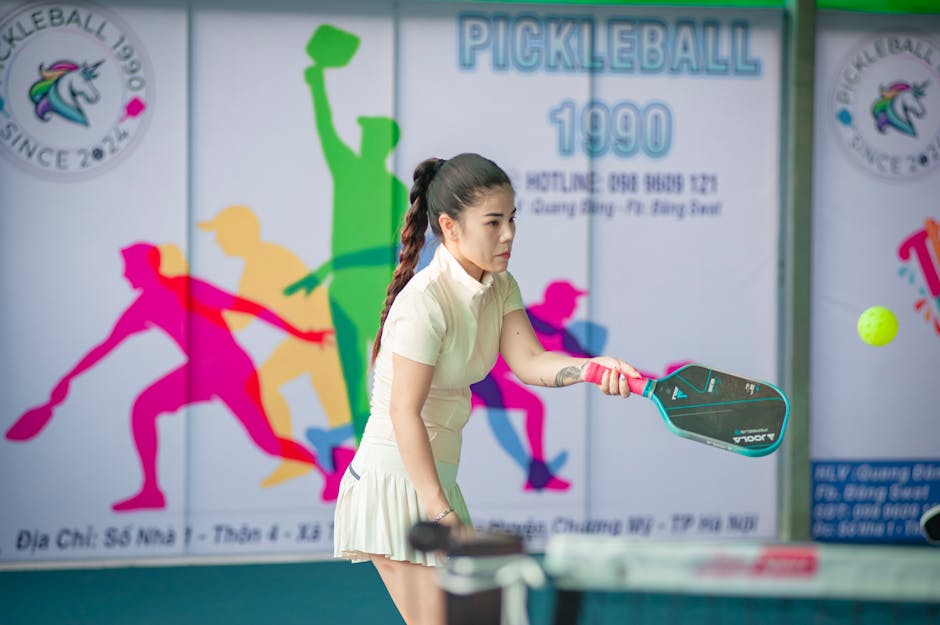
What Is Pickleball Doubles Communication?
Doubles communication in pickleball is the intentional use of spoken cues and non-verbal signals between partners. It ensures that both players:
- Know who is taking each shot
- Anticipate court movement and switching
- Quickly recognize out balls, poaching, or defending against lobs
- Stay in sync through both fast-paced rallies and strategic resets
Clear communication is especially crucial in pickleball since the action is fast, the court is compact, and doubles partners often have different styles. According to PickleballMate’s analysis, introducing structured communication can improve win rates, reduce partner miscues, and even lower the risk of accidental collisions.
Why Does Better Communication Matter in Doubles?
Strong communication is the single most controllable advantage in doubles pickleball. Here’s why it matters:
- Prevents both partners from reaching for the same ball
- Eliminates hesitation that causes missed shots or open court gaps
- Expedites decisions about switching, covering the kitchen, or dropping back
- Creates consistent roles—like designating a primary caller for critical exchanges
- Instills trust and accountability, especially under pressure
PickleballMate recommends prioritizing communication practice as highly as dinking or serving, given its direct impact on doubles success.
Essential Verbal Callouts: The Language of Winning Doubles
Clear, concise callouts cut through the court’s background noise and establish who owns each shot. Here are the foundational phrases all competitive teams should use, with exactly when and why to say each one:
- “Mine!” – Shouted confidently when you decide to take the shot. Use early and repeat if needed, especially for lobs and balls near the middle.
- “Yours!” – Directs your partner to make the play, often used for tough angles or quick exchanges.
- “Switch!” – Signals both players to trade places, usually after a deep ball or in transition to the non-volley zone.
- “Out!” – Warns your partner a ball will land out, preventing them from playing it unnecessarily. Reinforce visually by raising your paddle.
- “No!” (or “Let!”) – Stops play for a wide ball or unexpected let, allowing both players to reset.
- “Poach!” – Announce intent to cross for an interception at the net, so your partner can cover your zone.
- “Lob!” or “Cover!” – Used to quickly arrange defensive coverage after an opponent’s lob.
PickleballMate advocates standardizing these callouts with your partner early. Practice calling out each play during warm-ups and casual rallies until the words become instinct. Consistency is more important than fancy terminology.

Simple Hand Signals: Non-verbal Shortcuts for Fast Play
Hand signals allow you to communicate plans and intentions without alerting your opponents—crucial during fast rallies or high-noise environments. Here are the core signals, summarized for practical use and easy recall:
| Signal | Description | When to Use | Benefit |
|---|---|---|---|
| Paddle Point Forward | Point your paddle tip assertively toward the ball. | To claim middle shots or establish ownership in fast rallies. | Quickly clarifies “mine” nonverbally. |
| Paddle Wave Side-to-Side | Wave paddle horizontally in a small arc. | Calling for a partner switch or to poach the next shot. | Enables silent swapping without tipping off rivals. |
| Open Palm Up | Briefly raise your non-paddle hand palm up. | Yield the ball to your partner or signal “stay.” | Non-disruptive; keeps both players moving efficiently. |
| Two Fingers Back | Tap two fingers on your own shoulder to alert for a lob. | Warns partners to retreat or cover over-the-head shots. | Prevents being caught too close to the net. |
| Closed Fist Pump | Quickly pump a closed fist. | Confirms a specific plan (like a planned third-shot drop). | Motivates and silently acknowledges team alignment. |
PickleballMate suggests starting with just two or three signals to avoid overload. As trust and comfort build, layer in more as needed—always keeping them simple and below waist level for discretion.
Building Communication: A 4-Week Step-by-Step Framework
Consistent improvement in doubles communication requires deliberate practice. At PickleballMate, we recommend a four-week progression, each week focused on a strategic step:
- Week 1: Pre-Match Setup – Discuss personal strengths, assign a main shot caller, and select three key verbal cues and two signals.
- Week 2: Verbal Drill – Practice slow-paced rallies, requiring players to call every shot. Evaluate clarity and correct any confusion immediately.
- Week 3: Signal Integration – Add hand signals to the mix. Use recorded practice (video or observer) to spot missed cues or confusion.
- Week 4: Full Match Simulation – Test the communication system in actual matches. Afterward, debrief honestly about which cues/signals worked and where improvement is needed.
This methodical approach allows both beginners and seasoned players to identify weak spots and systematically eliminate communication breakdowns. Ongoing, PickleballMate recommends a brief post-game review—just a few minutes of honest dialogue can make a measurable difference in performance.
Advanced Communication: Expert Tactics That Make the Difference
When callouts and signals are routine, experienced teams can layer in strategic cues to outmaneuver opponents. Examples include:
- Coordinated “poaching” with verbal or hand signals, allowing one player to intercept balls at net while the partner covers the open area.
- Using the “stack” call before serves or returns, especially if one player has a much stronger forehand or elevated serve return skill.
- Combining eye contact or quick nods with a spoken cue to target the weaker opponent or exploit gaps.
The key lesson: over-calling can be just as disruptive as staying silent. Positive reinforcement—such as a congratulations or “great call!”—builds trust and keeps both partners invested in the system.

Practice Drills to Perfect Your Communication
- Mine/Yours Relay: Dink cross-court while calling every ball for five minutes, then switch roles. Tracks instinct and reaction time when calling out responsibility.
- Signal Poach Drill: Assign one partner to signal poach every other shot, then evaluate how many poaches result in clean winners or avoided confusion.
- Lob Coverage: Simulate defensive play against lobs, practicing the “cover” call and signal each time. Repeat multiple times for pattern recognition.
- No-Talk Rally: Play points using only hand signals, forcing both partners to read and respond without words. This rapidly builds non-verbal trust and rhythm.
Regularly incorporating these drills, as we recommend at PickleballMate, cements habits so solid they hold up under tournament pressure or noisy environments.
Comparing Communication Approaches in Doubles Play
While some teams rely exclusively on spoken cues, integrating hand signals offers a dual advantage: silent communication in loud settings and a method for sharing strategic intentions without tipping off rivals. The most successful doubles teams blend both methods and ground them in easy-to-remember language. Alternatives include relying only on eye contact or predefined positioning, but these typically leave more room for miscommunications and aren’t as reliable at higher competition levels.
PickleballMate’s stepwise system—combining clear callouts, strategic hand signals, and regular review—has consistently helped both casual and tournament players make measurable gains, regardless of athletic background.
Best Practices: What the Experts at PickleballMate Recommend
- Establish a shared vocabulary and stick to it for every rally.
- Designate a primary caller for high-pressure points to avoid overlap.
- Limit your set of hand signals to the essentials at first—expand only as both partners grow comfortable.
- Incorporate communication training into regular drills and post-game conversations.
- Review and adapt: After tournaments or league play, discuss any miscommunications and agree on tweaks.
- Equip yourself with reliable gear, as frustrations with faulty paddles or balls can distract from teamwork. For honest reviews and guidance, visit PickleballMate’s pickleball paddle reviews and accessory guides.
- Stay mindful of etiquette—no yelling or negative feedback, and always promote a collaborative tone.
FAQ: Communication and Signals in Pickleball Doubles
What happens if both partners call “mine” for the same shot?
When confusion occurs, default to whoever is in the stronger forehand position or closest to the ball. With practice, such incidents decrease as callout timing improves.
Can hand signals be used during official tournament play?
Yes, hand signals are allowed as long as they are not disruptive or intended to distract opponents. PickleballMate recommends keeping signals unobtrusive and below the waist for courtesy.
How can I get my partner to communicate better?
Open a discussion before your next session. Agree on three callouts and two signals, then deliberately practice using them for a set period. Afterward, talk about what worked and what needs adjustment.
Are certain signals or callouts more effective for beginners?
For new players, keeping it simple is best. Stick with “mine,” “yours,” and an obvious switch callout, supplemented by basic paddle pointing and open palm signals.
Do professional teams use these communication strategies?
Absolutely. Both amateur and professional doubles teams rely heavily on carefully crafted systems of callouts and signals. PickleballMate’s guides are modeled on best practices observed in elite play as well as recreational circuits.
How often should we review or update our communication system?
PickleballMate advises at least a brief post-match review after every game. For league or tournament play, a more in-depth review after each event helps refine strategies as competition intensifies.
Where can I learn more and improve all parts of my doubles game?
Explore PickleballMate’s in-depth resources. For broader skill-building, see our guides on transition strategy and training plans.
Conclusion: Communication Is the PickleballMate Edge
Mastering communication isn’t an optional layer for successful doubles play – it’s the engine driving smart teamwork, on-the-fly adjustments, and higher win rates. By focusing on a handful of loud, consistent callouts and straightforward signals, you and your partner can cover more court, avoid costly errors, and play with the confidence of teams twice your level.
When you’re ready to pair clear strategy with the right equipment, explore PickleballMate’s expertly reviewed paddles, shoes, and accessories for every level of play. And for an even deeper dive into on- and off-court improvement, check out our full library of free PickleballMate tips, community highlights, and advanced guides.
The path to better doubles starts with your next callout. Make it loud, make it clear, and make it count – that’s the PickleballMate way.
