
For every pickleball player who’s faced the classic question—do you really need separate shoes for indoor and outdoor play?—the answer is clear: yes, if you want to play your best game, protect your joints, and make your gear investment count. At PickleballMate, we’ve broken down the real-world reasons why this isn’t just marketing hype, but solid strategy for both safety and performance.
Definition: What Sets Indoor and Outdoor Pickleball Shoes Apart?
Indoor and outdoor pickleball shoes might look similar at first glance, but the difference lies in their soles and support systems. Indoor shoes feature a softer, non-marking gum rubber sole designed to grip smooth gym and sports floors, preventing slips without damaging surfaces. Outdoor shoes, on the other hand, use dense, abrasion-resistant rubber with deeper tread patterns for grip and durability on asphalt or concrete. Each is engineered for its intended playing environment’s unique demands. PickleballMate recommends always matching your shoes to your surface to prevent rapid wear, maintain proper traction, and avoid unnecessary injuries.

Why Surface-Specific Shoes Are Essential
Pickleball courts can be radically different. Indoor courts—think wood, polished concrete, or synthetic athletic flooring—require tread with lots of grip and a sole that won’t leave behind scuff marks. Outdoor courts feature rough, textured asphalt or concrete, often with debris or dust. Here’s what happens if you mismatch your shoes:
- Using indoor shoes outside: The softer outsole grinds away quickly, sometimes wearing out two or three times faster. You’ll lose traction and cushion, risking both your shoe investment and your comfort.
- Using outdoor shoes inside: Firmer soles can slip dangerously on a dusty or slightly wet gym floor, and may leave marks that facility managers will not appreciate. You could even find yourself asked not to wear them indoors at all.
This difference is why experienced players and pros, as well as the PickleballMate team, routinely recommend having a designated pair for each environment if you play often on both.
The Anatomy of Indoor vs Outdoor Pickleball Shoes
| Feature | Indoor Shoes | Outdoor Shoes |
|---|---|---|
| Outsole Rubber | Soft, tacky gum rubber for maximum grip on gym floors, non-marking | Dense, abrasion-resistant rubber for concrete and asphalt |
| Tread Pattern | Fine herringbone or micro-pattern, designed for sharp cuts and lateral moves indoors | Deep grooves or multidirectional patterns to channel dust and debris outdoors |
| Durability | Flexible and lightweight, breaks down quickly outside | Reinforced and durable; handles rougher surfaces far better |
| Cushioning & Support | Responsive and low profile for agility | Thicker midsoles, more heel and ankle support for shock absorption |
| Weight & Breathability | Lighter, moderate ventilation for indoor comfort | Heavier, ventilation focused on heat management outdoors |
Knowing what you’re standing on truly changes how you move. Indoor shoes excel at those stop-start, side-to-side bursts common at the kitchen line, while outdoor shoes are designed for toughing it out through longer games under the sun—or the lights—on bumpy, grippy pavement.
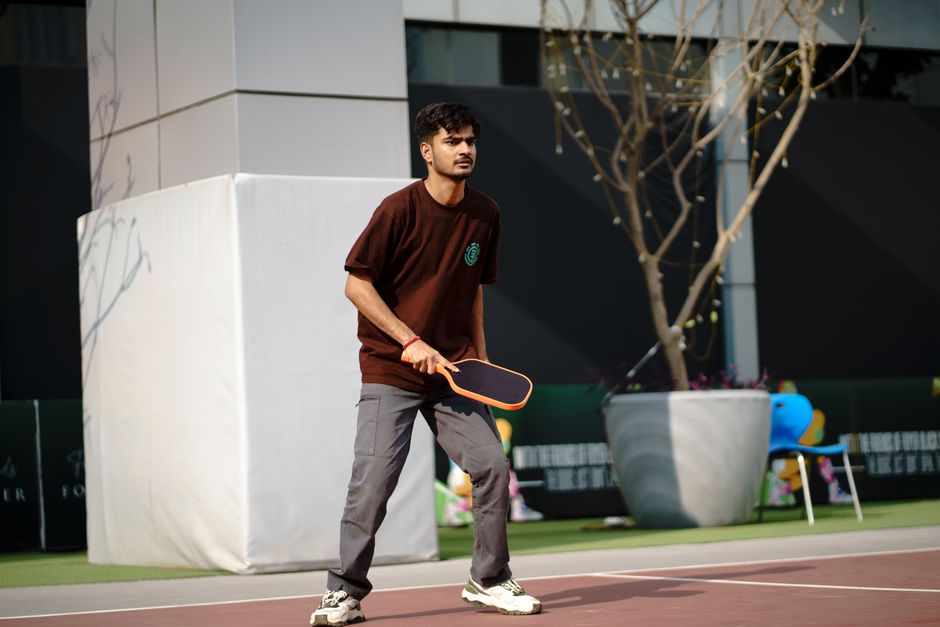
Step-by-Step: How to Choose the Right Pickleball Shoes
- Audit Your Play Locations
Take two weeks and keep track of how often you play indoors versus outdoors. If your play is at least 70% on one type of surface, invest there first. If it’s 50/50, owning both types is strongly encouraged by PickleballMate experts because it extends the life of both pairs significantly. - Look for Critical Features
For indoor courts, always choose shoes labeled “non-marking.” For outdoors, look for extra toe and heel protection plus deep-tread soles that channel debris. - Fit and Comfort
Your pickleball shoes should have about a thumb’s width of space at the toe and a snug, no-slip heel. Try them on after some movement or exercise, as your feet may swell a little during a match. - Check Cushioning & Support
Outdoor courts are brutal on the joints—thicker midsoles and more robust heel support help absorb repeated pounding. Indoors, lighter and more flexible cushioning helps agility. - Budget for Longevity
Most serious players find that investing in two pairs, rotating them accordingly, more than doubles the usable life of each versus forcing one pair to handle both job descriptions.
For specialized cases or wide-feet considerations, see our detailed shoe fit guide.
Best Practices: Getting the Most out of Your Pickleball Shoes
- Rotate shoes—even between the same surface types—to allow cushions to decompress and uppers to dry, extending their life.
- Clean regularly: Indoor shoes may collect dust that kills traction. Outdoor shoes track debris and grit; brushing them out after each session is advised.
- Inspect wear patterns: Sudden loss of grip or visible sole breakdown signals it’s time for a replacement. Many players replace their shoes every 4–6 months or after roughly 300–500 miles of play.
- Avoid cross-contamination: Outdoor shoes can bring sand or small rocks inside, dulling indoor floors and posing slip hazards. Changing shoes at the court is a habit to build.
PickleballMate recommends using the right sock thickness to match shoe fit, and considering orthotic insoles for any recurring foot issues. For more footwear and gear tips, check our comprehensive pickleball shoe and gear gift guide.
Can You Use the Same Pair for Both Indoor and Outdoor Courts?
In a pinch, you could, but here’s what to expect:
- If you’re an outdoor-focused player (>70% outdoors), outdoor shoes will hold up fine for limited indoor play, but traction indoors won’t be as crisp, and you must verify that the soles are non-marking.
- If you’re mainly indoors, indoor shoes will suffer rapid sole wear and less protection if used outside, leaving you shopping for replacements sooner than you’d like.
In the end, using dedicated shoes allows each pair to last longer and perform better where they’re meant to shine. This investment also offers real value for players serious about injury prevention and long-term play quality—which is what we advocate at PickleballMate.
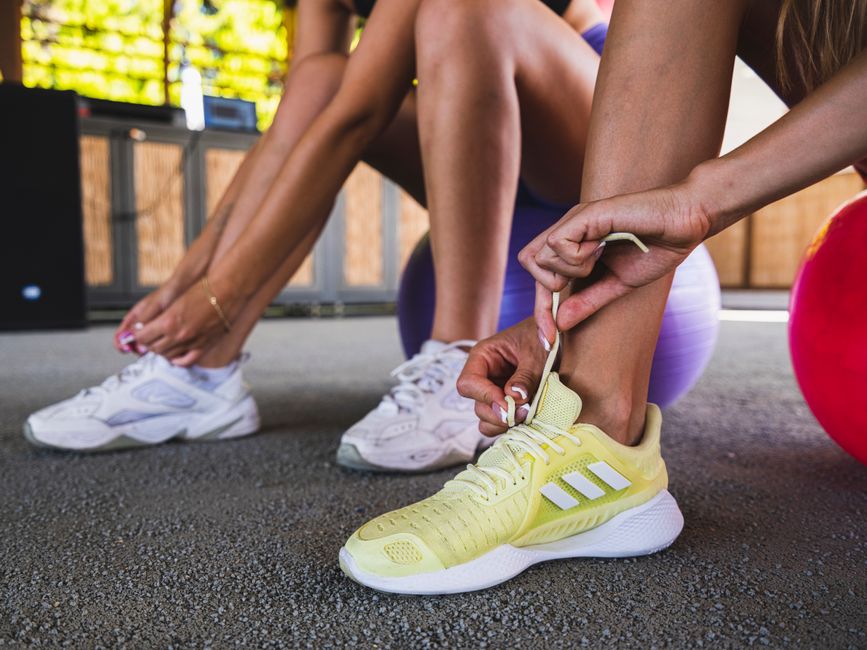
Alternatives, Scenarios, and Real-World Advice
For beginners or infrequent players, budget or versatile shoes with a hybrid herringbone pattern may suffice for occasional crossover. However, regular play on both surfaces quickly reveals the performance trade-offs. If you’re focused on progressing to advanced levels or prevention of nagging foot and knee pain, specialization in your footwear makes a noticeable difference in your play experience.
If you’re weighing other gear priorities, see our tested paddle reviews and visit PickleballMate for paddle technology updates, accessories, and clothing tips.
Frequently Asked Questions
What happens if I use indoor shoes on outdoor courts?
The softer gum soles will wear down at least twice as fast, and the shoes will lose their grip and cushioning very quickly. Expect to replace them much sooner if you play outdoors regularly.
Can I use outdoor shoes inside if they are labeled “non-marking”?
If the shoes are marked non-marking, you can use them indoors. However, the grip may still not be as good as a true indoor model. Always check with your local gym policy as well, since some facilities enforce this strictly.
How important is tread pattern in my shoe selection?
Very important—fine patterns excel in quick direction changes on smooth floors, while deeper grooves perform best outdoors on grit and dust. PickleballMate testers see clear grip differences on each surface.
Will having two pairs actually save me money?
Yes, in many cases. Rotating shoes between surfaces reduces overall wear, which typically extends the life of each pair by over 50% compared to using one pair everywhere. It also keeps each shoe’s grip and support at its best.
Do I need special shoes for hard courts or wide feet?
Players with wide feet should look for extra space in the toe box. Hard outdoor courts benefit from reinforced soles and more midsole cushioning. For further guidance, check our in-depth resource on pickleball shoes for wide feet.
How often should pickleball shoes be replaced?
As a rule of thumb, replace your main pair every 4–6 months if you play several times weekly or after about 300–500 miles of movement. Visual wear, reduced grip, or discomfort are your signals to swap them out.
Conclusion
Serious pickleball players benefit from wearing shoes designed for the court they play on. You’ll maximize your shoes’ lifespan and grip, and you’ll protect your joints through proper support. At PickleballMate, our advice is based on decades of collective play, deep product testing, and an ongoing conversation with the US pickleball community. For more detailed breakdowns, guides, and the latest gear reviews, explore our footwear recommendations, paddle reviews, and tips to keep your play sharp on any court you step onto.
Whether you’re gearing up for a tournament or just want to protect your feet and stay in the game longer, trust PickleballMate to have your back with authoritative information and unbiased, experience-backed recommendations tailored for pickleball enthusiasts at every level.
